
Blunt-tooth Swimming Crab (Callinectes bocourti) | Preserved Crab Specimen | Real Marine Crab
Blunt-tooth Swimming Crab (Callinectes bocourti) | Preserved Crab Specimen | Real Marine Crab
Reminder: This is a digital download not a DVD.
For a physical DVD, use an Amazon link below.
Couldn't load pickup availability
Description
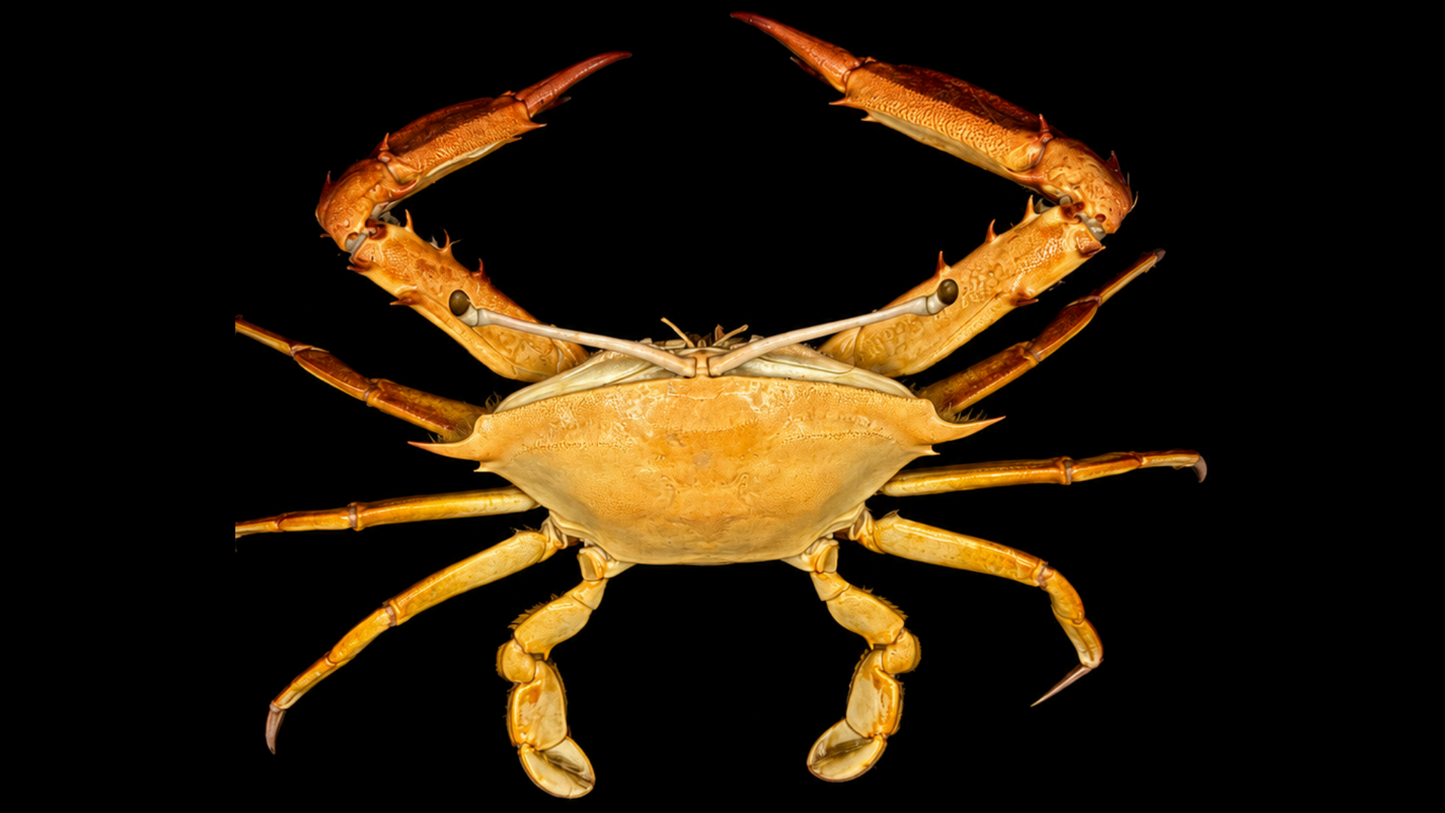
Blunt-tooth Swimming Crab (Callinectes bocourti) – Preserved Crab Specimen
The Blunt-tooth Swimming Crab (Callinectes bocourti) is a fascinating marine crab known for its broad, streamlined carapace and paddle-shaped rear legs, which allow it to swim efficiently through coastal waters. Found in tropical and subtropical estuaries, bays, mangrove areas, and shallow marine habitats, this species is well adapted to both sandy and muddy bottoms.
This professionally preserved specimen highlights the crab's distinctive swimming legs, detailed shell structure, and natural anatomical features. It is an excellent addition to marine biology collections, educational displays, museums, curiosity cabinets, and natural history collections.
Each specimen is carefully preserved to maintain its natural appearance while showcasing the remarkable characteristics of this active swimming crab.
Features
- Genuine Blunt-tooth Swimming Crab (Callinectes bocourti) specimen
- Professionally preserved for long-term display
- Showcases detailed shell texture and paddle-shaped swimming legs
- Ideal for marine biology education and scientific reference
- Perfect for collectors, museums, classrooms, and natural history displays
- Each specimen is unique, with natural variations in size and coloration
Specifications
- Scientific Name: Blunt-tooth Swimming Crab
- Common Names: Callinectes bocourti
- Condition: Preserved Specimen
- Habitat: Estuaries, mangroves, coastal bays, lagoons, and shallow marine waters
- Kingdom: Animalia
- Phylum: Arthropoda
- Subphylum: Crustacea
- Order: Decapoda
- Family: Portunidae
Please Note
This is a genuine natural specimen. Every preserved crab is unique, so slight variations in size, coloration, and markings are expected and add to the authenticity of each specimen.
You May Also Like


